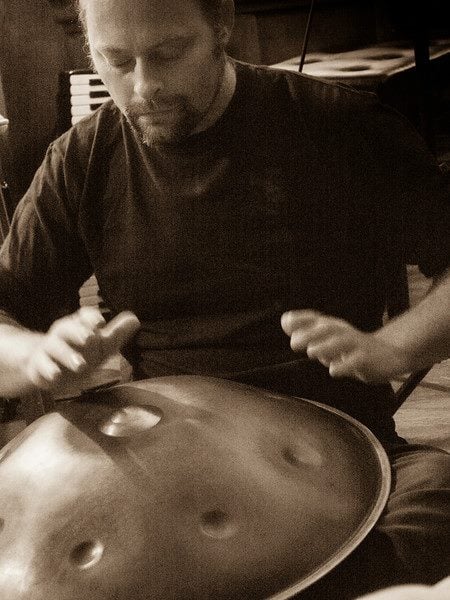
Whether you’ve just unboxed your first tankdrum or you’re curious about what this magical instrument sounds like, this beginner’s lesson is the perfect place to start. The tankdrum (also called a handpan or tongue drum) is one of the most accessible and meditative instruments you can learn — and this guide will walk you through everything you need to know to get started.
What Is a Tankdrum / Handpan?
The tankdrum is a percussion instrument made from a steel shell with cut “tongues” that produce different musical notes when struck. Unlike many instruments, it’s incredibly intuitive — almost anyone can pick it up and make beautiful sounds within minutes. Its warm, resonant tones make it popular for meditation, relaxation, and creative music-making.
Getting Started: Your First Notes
Before you dive into complex rhythms, start by simply exploring the instrument. Here are a few tips for your very first session:
- Use your fingertips or mallets — both work well, and each produces a slightly different tone.
- Strike near the tip of each tongue for the clearest, most resonant sound.
- Let the note ring — don’t dampen the tongue after striking it. Let the vibration fade naturally.
- Start slow — there’s no rush. The instrument rewards patience and mindfulness.
Basic Rhythms for Beginners
Once you’re comfortable hitting individual notes, try these beginner-friendly rhythm patterns:
- Alternating hands — Strike one tongue with your left hand, then another with your right. Keep a steady beat.
- Root note + melody — Use the lowest (root) note as a bass beat, and add higher notes in between for a simple melody.
- Call and response — Play a short 3–4 note phrase, pause, then repeat it. This builds muscle memory and musicality.
Tips to Improve Faster
Learning any instrument is a journey. Here are some strategies to accelerate your progress on the tankdrum:
- Practice daily, even for just 10 minutes. Consistency beats long occasional sessions.
- Record yourself. Listening back reveals things you can’t hear while playing.
- Play along to music. Find songs in the same key as your drum and improvise along.
- Watch tutorials like this one. Visual learning is incredibly effective for percussion instruments.
- Don’t overthink it. The tankdrum is meant to be joyful and meditative — let yourself play freely.
Choosing the Right Tankdrum
If you’re still shopping for your first instrument, here’s what to look for:
- Number of tongues: 8–13 tongues is ideal for beginners — enough range without being overwhelming.
- Key/scale: D minor and C major are popular beginner keys that sound beautiful and are easy to play.
- Material: Steel drums are more durable; some models use a coated finish to prevent rust.
- Budget: Entry-level drums start around $50–$80. Mid-range options ($150–$300) offer better tone and build quality.
Final Thoughts
The tankdrum is one of those rare instruments that sounds impressive from day one. There’s no wrong way to play it — every note you strike is part of a scale, so it’s nearly impossible to make it sound bad. Whether you’re looking for a creative outlet, a mindfulness practice, or just a fun new hobby, the tankdrum is a wonderful choice.
Watch the video above for a hands-on beginner lesson, and don’t forget to practice a little every day. Happy playing! 🥁